Feeling overwhelmed mid-semester? Learn how to recover from college burnout, regain motivation, and manage academic stress effectively.
When Campus Life Starts Feeling Heavy
It usually doesn’t happen in week one. At the start of the semester, everything feels possible. New notebooks. New goals. A fresh GPA waiting to be built.
But somewhere around weeks six to nine, something shifts.
The deadlines stack up. Group projects stall. Your sleep schedule collapses. You reread the same paragraph three times and still can’t focus. Assignments feel heavier than they should. Even walking across campus feels like a task.
This is the semester slump — and if you’re feeling it, you are not lazy, broken, or incapable.
You are likely experiencing mid-semester burnout.
The good news? It’s reversible.
This guide will help you understand why motivation drops, how to recover from academic exhaustion, and how smart students regain momentum without crashing.

What Is the Semester Slump?
The semester slump is a period of mid-term burnout characterized by mental fatigue, reduced motivation, difficulty concentrating, and emotional exhaustion caused by sustained academic pressure.
It typically occurs midway through the semester when initial motivation fades and workload intensity peaks.
Common Signs of Mid-Semester Burnout
- Constant tiredness, even after sleeping
- Procrastinating tasks you normally handle well
- Feeling overwhelmed by small assignments
- Irritability or emotional numbness
- Loss of interest in classes you once enjoyed
- Brain fog during lectures
- Avoiding emails or academic portals
Burnout is not laziness. Laziness avoids effort. Burnout is wanting to perform — but feeling mentally drained. Understanding that difference alone can relieve guilt.
Why Mid-Semester Burnout Hits So Hard
Burnout doesn’t come from weakness. It comes from sustained pressure without recovery.
Here’s what’s happening beneath the surface.
1. The Motivation Drop Curve
At the beginning of a semester, novelty fuels momentum. New classes activate curiosity.
By mid-term, novelty fades. What remains is sustained cognitive effort — without the emotional excitement that started it.
Your brain shifts from dopamine-driven motivation to discipline-based output. That transition feels heavy.
2. Assignment Overload Stress
Most courses cluster deadlines around mid-semester:
- Essays
- Lab reports
- Group presentations
- Midterm exams
- Research proposals
Cognitive load increases dramatically. When multiple subjects demand peak performance simultaneously, decision fatigue sets in. You aren’t bad at time management. You’re cognitively overloaded.

Avoid Burnout at all costs
3. Sleep Deprivation and Digital Fatigue
Late-night study sessions. Scrolling to “decompress.” Blue light exposure. Poor sleep reduces memory consolidation and emotional regulation. Even a small sleep deficit can amplify feelings of academic stress. Add constant notifications and comparison culture on social media — and mental exhaustion compounds.
4. The Emotional Weight of Independence
University isn’t just academic. It’s financial pressure. Social adjustment. Relationship complexity. Family expectations. Career uncertainty.
That emotional labor drains cognitive energy — even if you don’t consciously notice it.
5. The GPA Pressure Spiral
Mid-semester grades often reveal reality. Maybe you scored lower than expected.
Now fear enters the equation.
“Can I recover my GPA?”
“What if I disappoint my family?”
“Am I falling behind?”
Anxiety reduces motivation. Not because you don’t care — but because your nervous system is in threat mode.
6. Evidence-Based Ways to Reignite Motivation
Here’s where we shift from awareness to action.
These are not generic productivity hacks. These are recovery strategies grounded in behavioral science and real student realities.
1. The 48-Hour Academic Reset
When overwhelmed, students often try to “push through.”
Instead, pause strategically.
For 48 hours:
- Clean your workspace
- List every outstanding task
- Sleep properly
- Hydrate
- Walk outdoors
- Avoid doom-scrolling
This resets your nervous system and restores executive function. Burnout recovery begins with stabilization — not acceleration.
2. Reset Your Workload Reality
Overwhelm often comes from vagueness.
Write down:
Break them into micro-deadlines so it doesn’t seem too complicated. So, for example; instead of:
“Write 3,000-word essay.”
Shift to:
- Outline (today)
- 500 words (tomorrow)
- Edit section one (Friday)
Clarity reduces anxiety. Anxiety reduction increases action.
3. The Micro-Wins Strategy
Motivation doesn’t precede action. Action creates motivation.
Start absurdly small.
- Open the document.
- Write one paragraph.
- Review one lecture slide.
Completing tiny tasks rebuilds self-efficacy — your belief that you can move forward.
Micro-wins compound.
4. Energy-Based Scheduling (Not Time-Based)
Not all hours are equal.
Identify:
- When are you most mentally alert?
- When are you socially energized?
- When do you crash?
Schedule cognitively heavy tasks (research, writing, problem-solving) during peak mental energy windows. Reserve low-energy periods for admin tasks. Work with your biology — not against it.
5. Strategic Study Environment Shifts
Sometimes burnout is environmental.
Try:
- A different campus library floor
- A quiet café
- Study group accountability
- Phone-free blocks (45 minutes)
Small environmental shifts trigger renewed cognitive engagement.
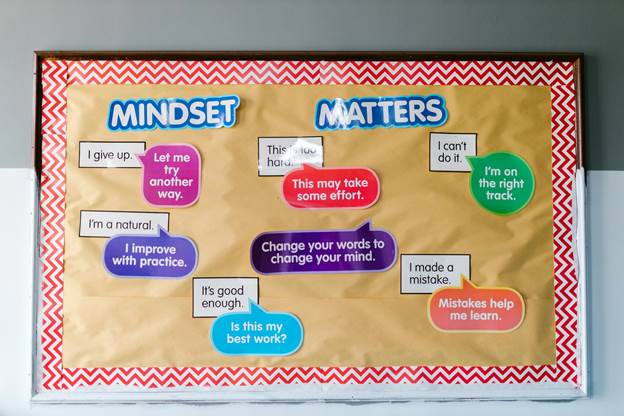
6. Reframe Grades vs Growth
Burnout intensifies when performance becomes identity.
Shift from:
“If I fail this test, I am a failure.”
To:
“This test is feedback, not identity.”
Growth-based framing reduces anxiety and restores intrinsic motivation.
7. Strategic Academic Support
Sometimes the issue isn’t discipline. It’s volume.
If you’re juggling:
- Multiple essays
- Lab reports
- Part-time work
- Family obligations
It may not be sustainable alone.
Smart students use structured academic support when pressure peaks — not because they are incapable, but because they understand resource optimization.
Getting guidance, editing assistance, or structured support on complex assignments can protect both GPA and mental health.
The goal is not avoidance. It is stability and momentum.
When It’s More Than Burnout
Most mid-semester fatigue is situational.
But if you notice:
- Persistent hopelessness
- Inability to function daily
- Severe anxiety
- Withdrawal from friends
- Loss of appetite or significant sleep disruption
It may be more than academic stress.
Reach out to:
- Campus counseling services
- Academic advisors
- Trusted mentors
- Medical professionals
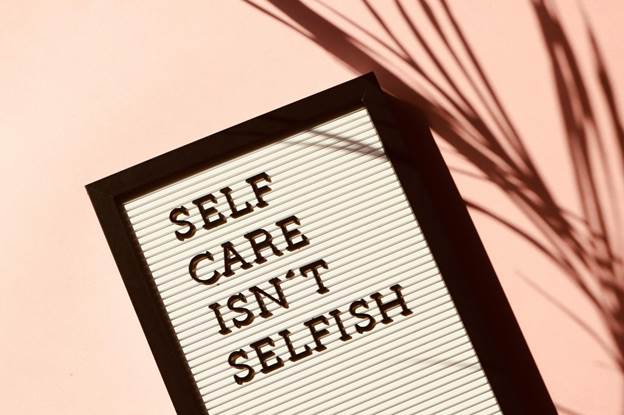
Seeking support is not weakness. It’s strategic self-leadership.
The Smart Student Advantage
Here’s something high-performing students understand: Success is not about doing everything alone. It’s about managing capacity. When deadlines stack up and cognitive load spikes, strategic delegation or academic guidance prevents last-minute breakdown cycles.
If academic pressure becomes unmanageable, getting structured help with research organization, editing, formatting, or assignment clarity can:
- Prevent rushed submissions
- Improve grade quality
- Reduce panic
- Protect sleep
- Preserve mental energy
Burnout recovery isn’t just about mindset. It’s about workload design.
And smart students redesign their workload when necessary.
Quick Burnout Recovery Checklist
If you’re feeling overwhelmed at university, start here:
- Sleep 7–8 hours tonight
- List all pending tasks
- Break one assignment into 3 micro-steps
- Complete one 25-minute focused session
- Remove digital distractors during study
- Move your body for 20 minutes
- Ask one classmate for clarification
- Visit office hours or email a lecturer
- Reassess unrealistic expectations
- Consider structured academic support if overload persists
Small adjustments for immediate impact.
Why do I lose motivation mid-semester?
Motivation drops when novelty fades and workload intensity increases. Cognitive fatigue accumulates, especially if sleep and stress aren’t managed. It’s a neurological response to sustained effort — not personal failure.
Is college burnout normal?
Yes. Many students experience mid-semester burnout due to overlapping deadlines, social pressure, and academic intensity. What matters is recognizing it early and implementing recovery strategies before exhaustion deepens.
So how do I recover from academic exhaustion?
Start with rest and clarity. Reset sleep patterns, list all assignments, break tasks into smaller actions, and reduce environmental distractions. Strategic workload management restores motivation faster than willpower alone.
Use energy-based scheduling, micro-wins, and realistic expectations. Avoid perfectionism. Protect sleep. Seek academic guidance when workload exceeds sustainable capacity.
If deadlines stack up beyond what you can reasonably manage, structured academic support can reduce pressure and improve quality. The key is using support strategically — not as avoidance, but as stabilization. Always visit us for the best tutoring services that ensure you improve your grades and graduate with a distinction.
As we finish, it is important to note that the semester slump doesn’t mean you’re failing. It means you’ve been carrying a heavy load without recalibration. Burnout is a signal to adjust — not quit. Reset your system. Reorganize your workload. Protect your energy. And remember; high achievers don’t push until they collapse. They adapt.
If deadlines are stacking up and academic stress is rising, don’t wait until panic sets in. Regain control early, protect your GPA strategically, and approach the rest of the semester with clarity — not chaos.
You’re not behind. You’re recalibrating. And that changes everything.